
SCOTS INDEPENDENCE: Salmond gets a pounding: five things learned
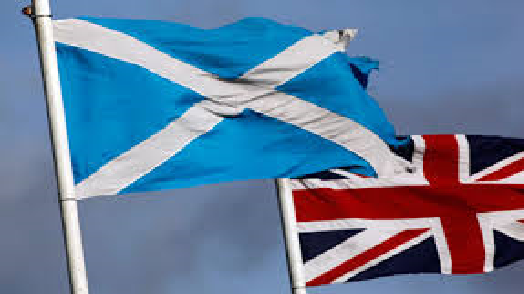
Alex Salmond v Alistair Darling debate: five things we learned

Alex Salmond and Alistair Darling take part in the Scottish referendum live TV debate. Image: Jeff J Mitchell/Getty Images
Alex Salmond and Alistair Darling took part in the first live TV debate of the Scottish independence campaign on Tuesday night – and it was a lively affair.
In front of an audience of 350 people and live on STV, the pair answered questions and grilled each other on key issues surrounding the referendum, in exchanges that were often lively and hot-tempered.
Scotland will vote on 18 September on whether to leave the UK. First minister of Scotland Alex Salmond is spearheading the pro-independence campaign, while former Labour chancellor of the exchequer Alistair Darling is leading the Better Together campaign.
Here are five things we learned from the debate:
1) Scotland’s currency remains Alex Salmond’s greatest problem
Alistair Darling’s biggest successes in the debate came whenever there was a discussion about what would be the currency of an independent Scotland. Time and again he was able to make his opponent look uncomfortable and evasive on the subject of what Scotland would use by way of a currency if the UK refused to share sterling. Alex Salmond was not able to produce a clear, concise answer or explain his earlier statement that he had a “plan B, C, D and E” for an alternative to the pound. “You can’t tell us what currency we’ll have,” Darling crowed at one point. “What’s an eight-year-old going to think of that?”
2) The unlikely alliance of Labour, Tories and Liberal Democrats in the Better Together campaign is Darling’s big weak spot
Alex Salmond scored his biggest hits when taunting Alistair Darling over the opinions expressed by Tory and Lib Dem politicians about Scotland, the UK and Europe. Darling struggled to find a way to reconcile the policies of his own party, Labour, with those held by some of his Better Together allies. In particular, he refused to agree with a statement from David Cameron that an independent Scotland could be a “successful country”. Salmond challenged Darling a dozen or so times to agree with Cameron’s remark – and on each occasion Darling declined to answer.
3) Being the underdog or outsider in a live TV debate is always a good thing
Alex Salmond went into this debate as the bookies’ favourite. By contrast, expectations for Alistair Darling were low. But being the underdog turned out to work in Darling’s favour. He performed better than anticipated and – while not scoring a “knockout blow” in the debate* – was able to emerge with his reputation enhanced. The same thing happened in the 2010 general election debates. Here it was Nick Clegg the outsider and Gordon Brown the underdog who benefited. Both saw their parties get a boost in support from the debates, which turned out to be enough to deny the Tories a majority on polling day.
*Although a Guardian/ICM poll of viewers concluded that Darling “won” the debate by 56% to 44%.
4) The more audience participation, the better
Those 2010 debates were held in stony silence, with very strict rules in place about when the audience could make any kind of vocal response. By contrast, this debate had a much looser and informal format – and it was all the better for it. The audience cheered, jeered, heckled and whistled, so much so that at one point the moderator Bernard Ponsonby had to ask them to pipe down and behave themselves. If we do get live debates in next year’s general election campaign, and it’s by no means certain at the moment, please let them be more like this and less like the dour 2010 model.
5) The result of referendum is still uncertain
It’s true that opinion polls have never once showed the Yes campaign in the lead. And time is certainly running out for Alex Salmond to pull off what would be a sensational victory. But this campaign is not done and dusted. There is still a chunk of the Scottish population who continue to tell pollsters they have yet to decide on which way to vote. Maybe this debate will have helped make up their minds. If not, a second debate might decide the matter – one that the BBC is close to agreeing to hosting later this month






























Fax: +44 (0) 871 698 1971Email: info@shirshobindu.com (Admin) news@shirshobindu.com (Newsroom)